Melbourne, Australia
Wig Making Master Class
Limited Session Series
April 12 - April 26 + 2-day Guest Artist Deb Davis Wig Care & Postiche Styling
Ten Day Extended Training
Group format
Tuition $4700 AUD
Day 1.0
We start from the beginning.
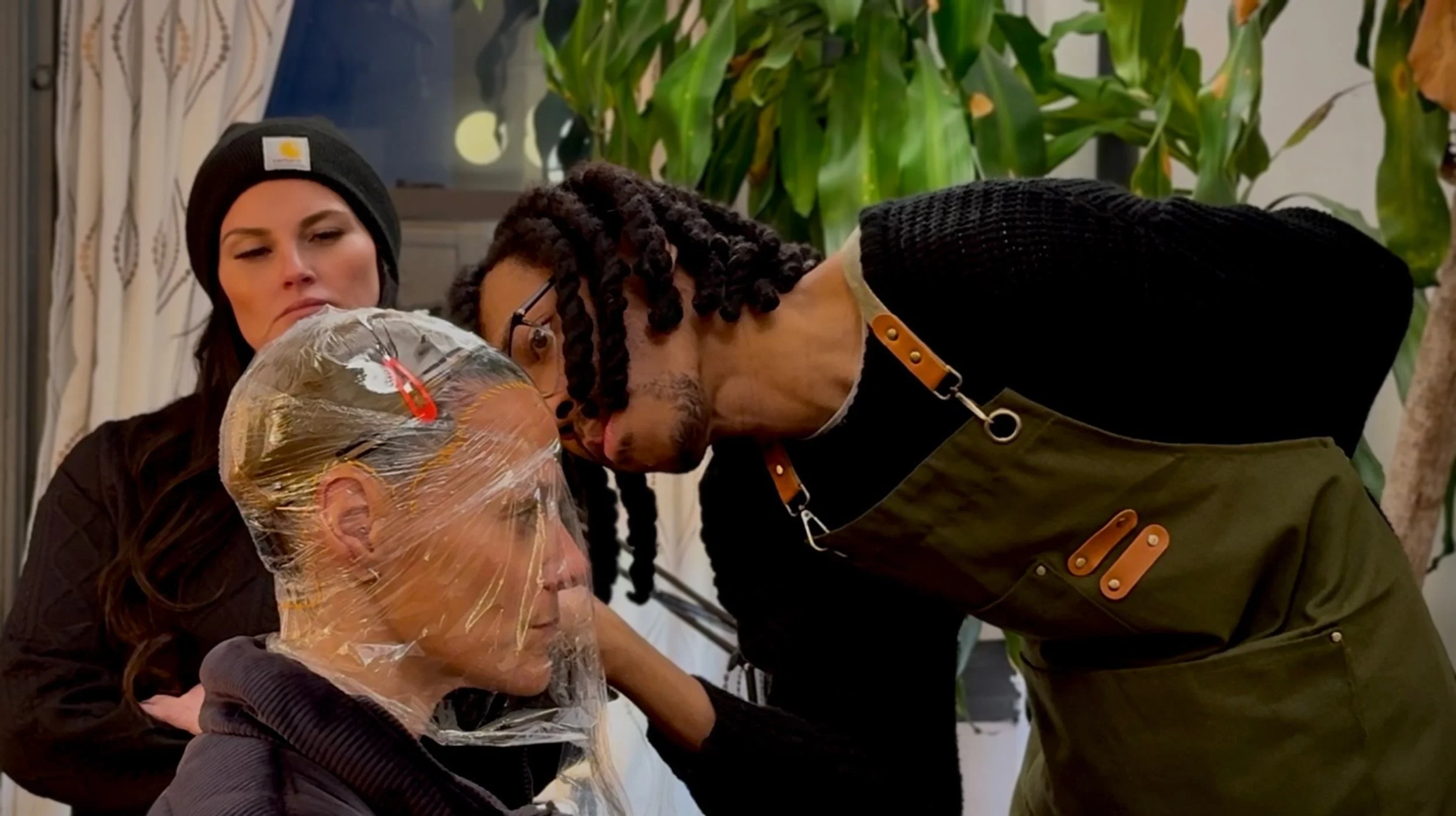
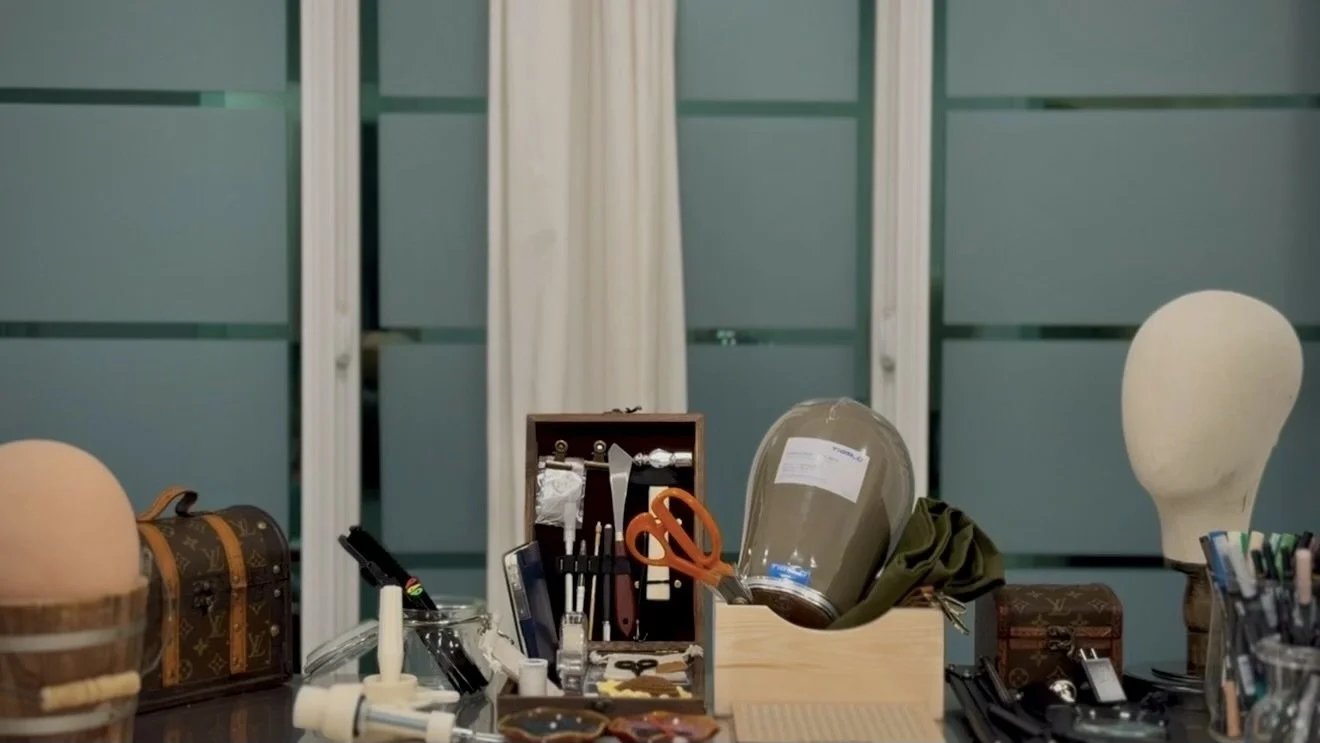
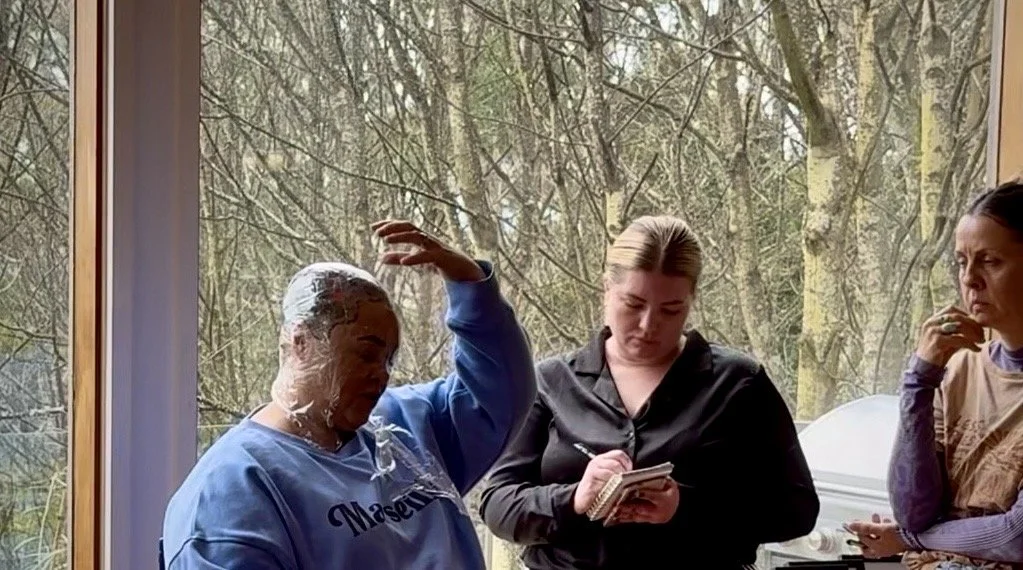
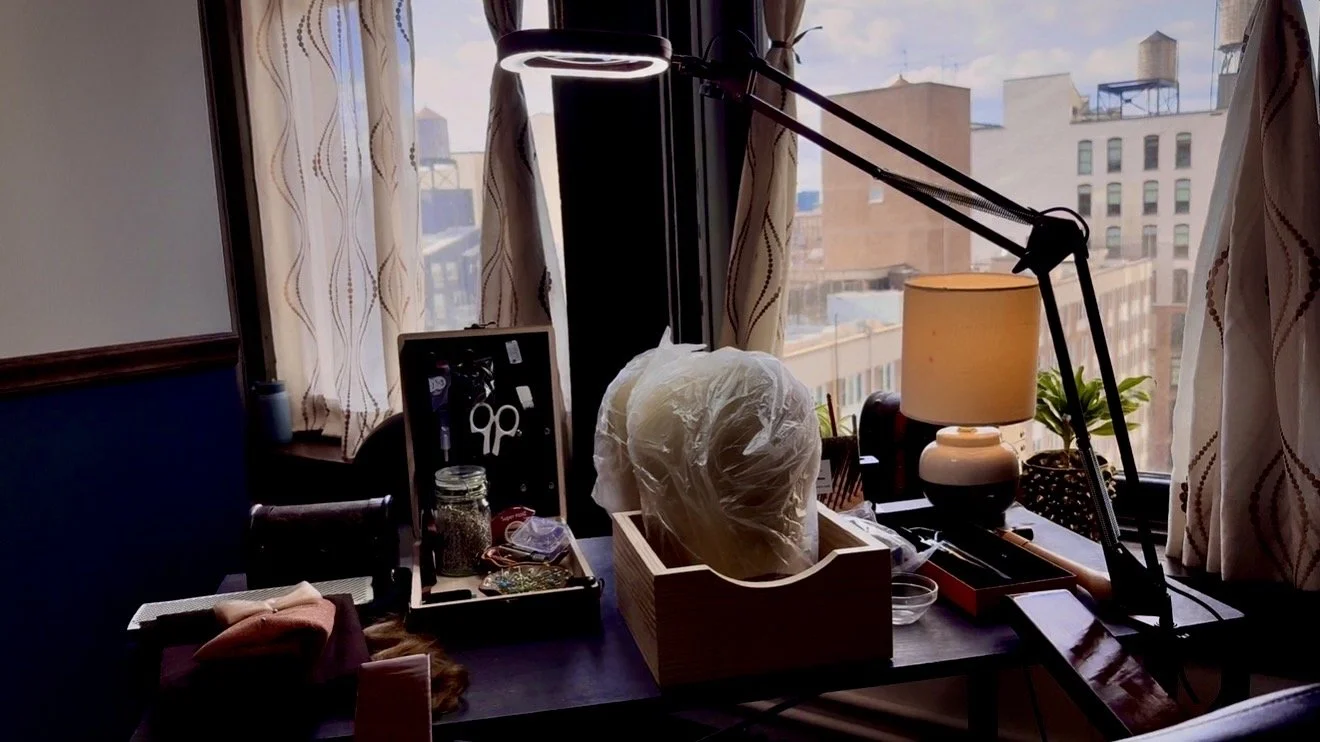
We walk through the tools and supplies included in your TWG Wig Studio Masters Kit, and set up for wig wraps and mold gathering using pre-organized materials.
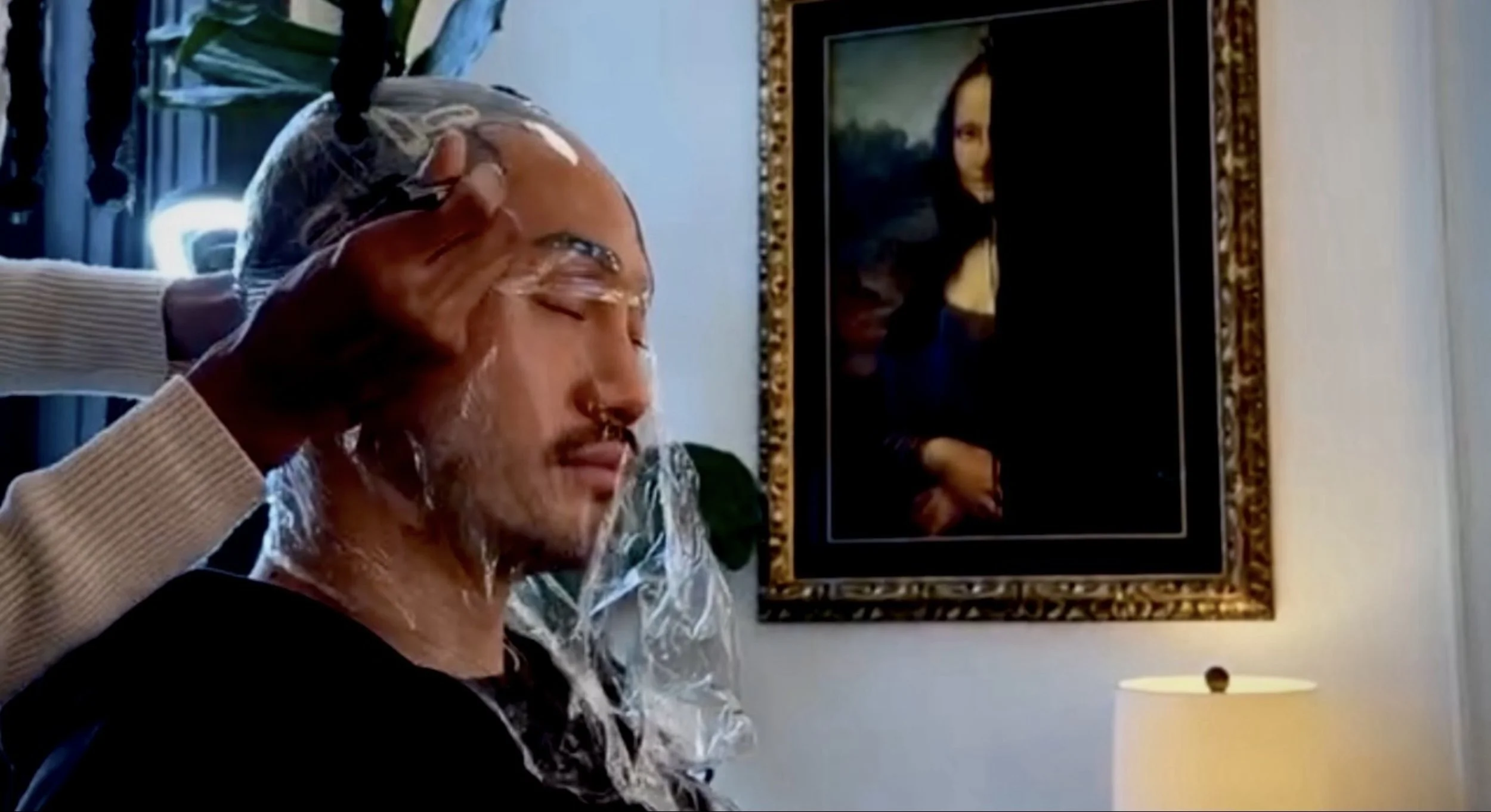
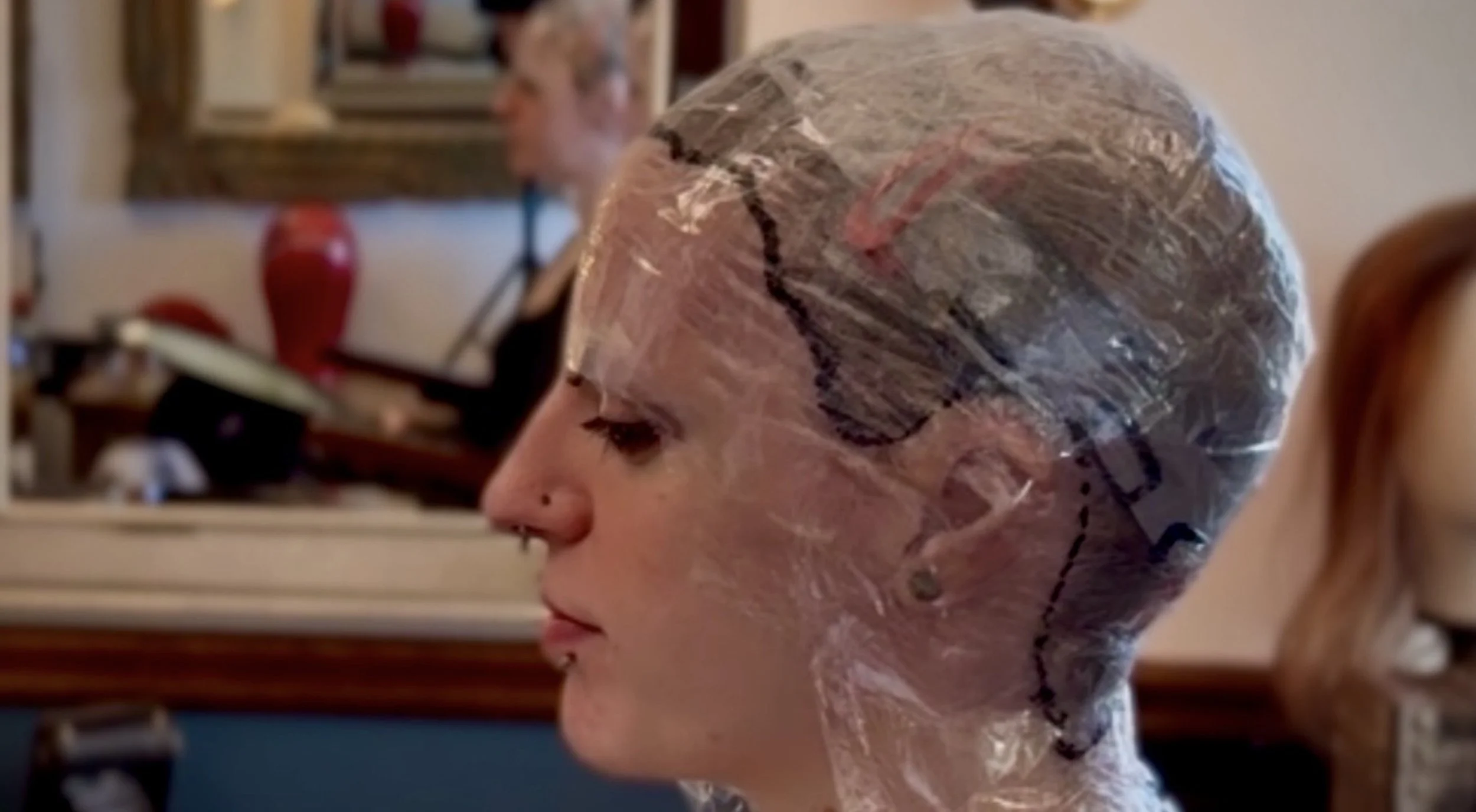
You will watch a full demonstration of a standard film wig wrap for long hair, with notes and adjustments for short hair. We cover how to take standard and emergency measurements.
(Emergency measurements are used when building without a mold.)
Questions are answered throughout the demonstration.
After a short break, students will pair up and complete a full wrap on their wrap partner. Deb and I will monitor, correct, and guide as needed.
We will then break for lunch. Snacks, sandwiches, and salad will be available.
Day 1.5
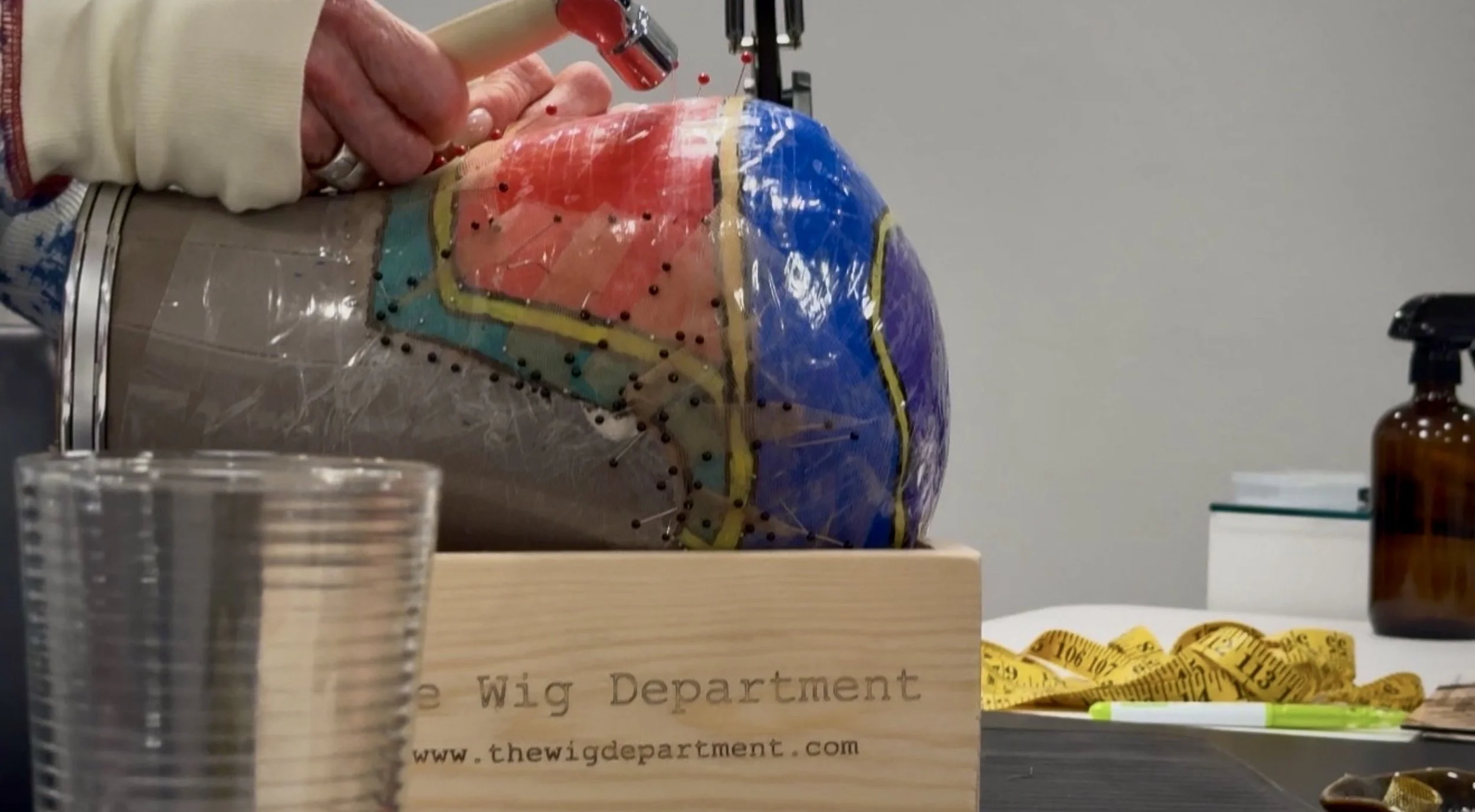
Block and pad your mold
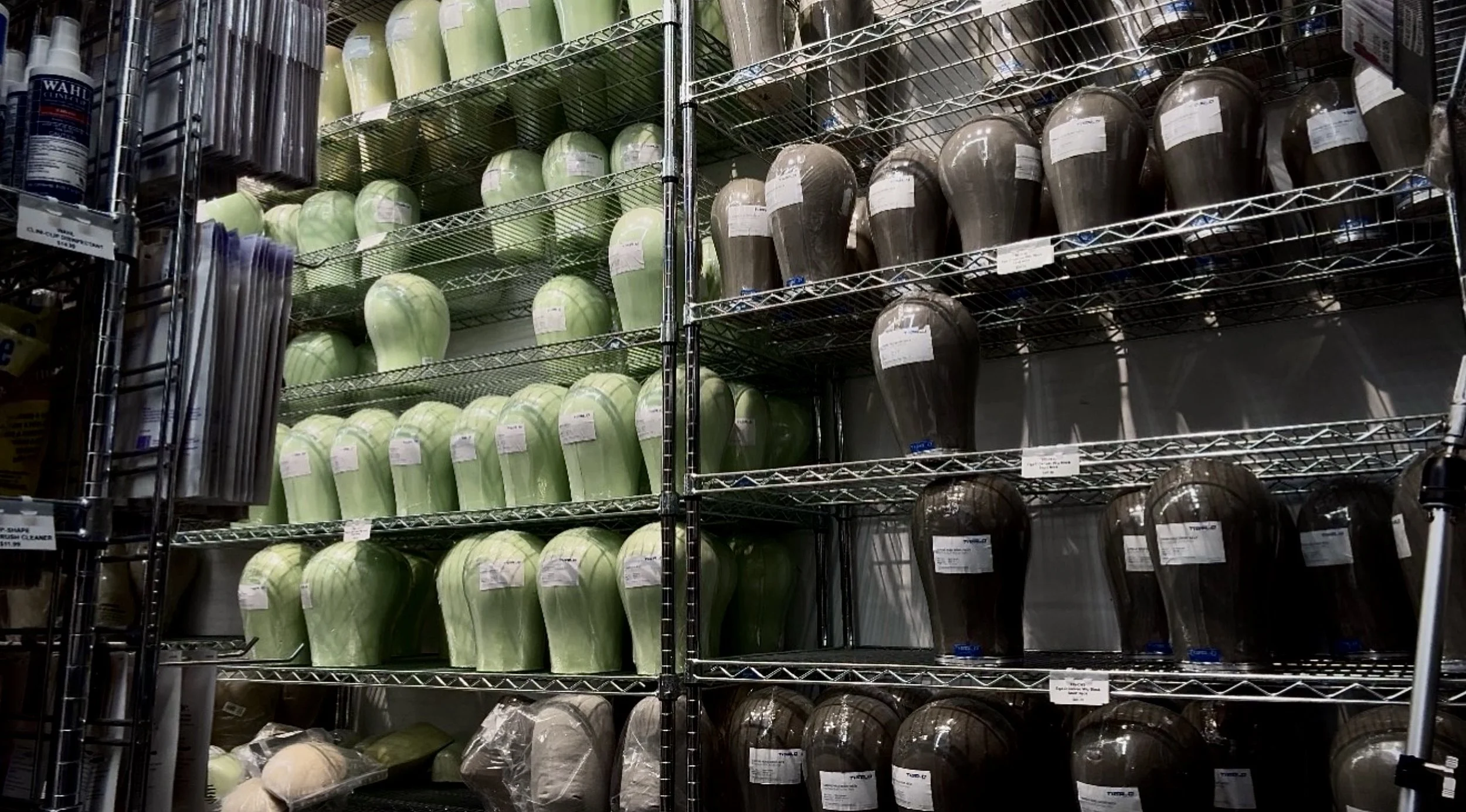
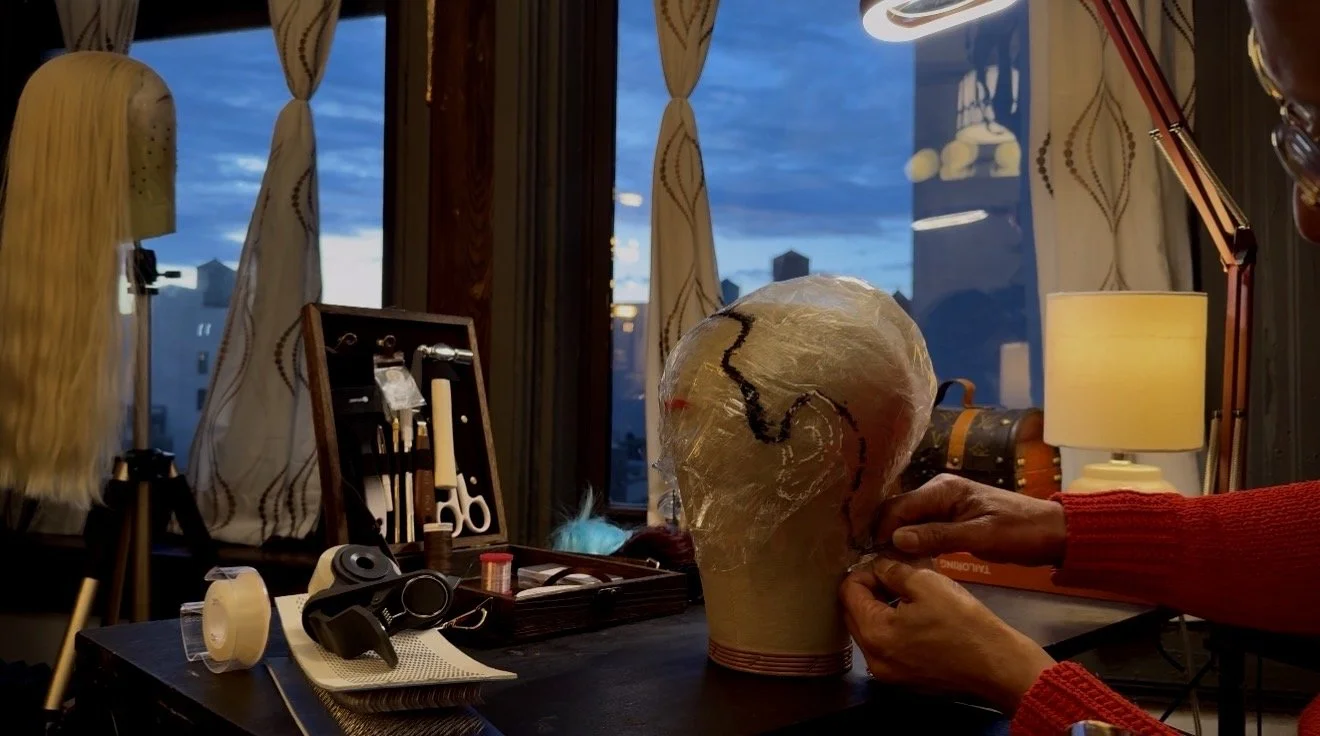
We block and pad your mold, referred to in some stage communities as the “bubble.” This process involves transferring the plastic head cast to your pre-selected wig block, chosen prior to class based on the measurements form submitted with your registration.
Our goal is to create consistent density around void or empty areas to match the original block. This simulates the client’s natural head shape when building a custom hand-tied foundation.
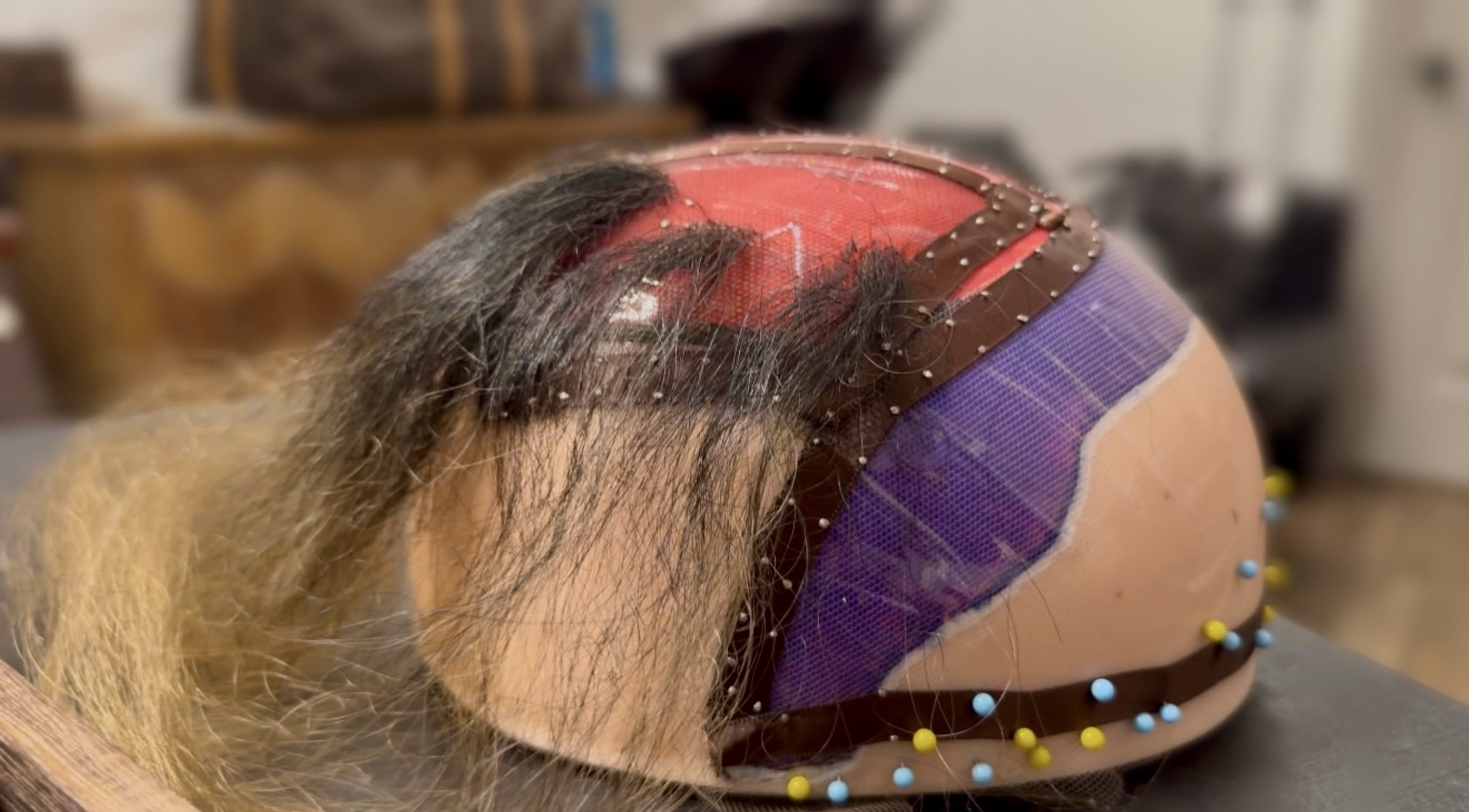
Once padded, we transfer our lines, mapping where each section will be applied. This drafting stage determines the placement of every stitch.
When drafting is complete, we apply contrast.
Contrasting colors are drawn using a matte acrylic opaque paint marker. Each color is selected to improve visibility of lace holes and grids. Because lace varies in denier (weight), underlying pigment, and texture, different colors are applied to different areas.
Carved wig blocks are provided courtesy of an elite wardrobe and wig-making supply house serving Broadway and professional stage productions.
Day 2.0
We will have a few stragglers, which is normal. We have allotted 45 minutes to complete any remaining work from Day 1.5.
We then begin an introduction to wig knotting, with a short mid-session break.
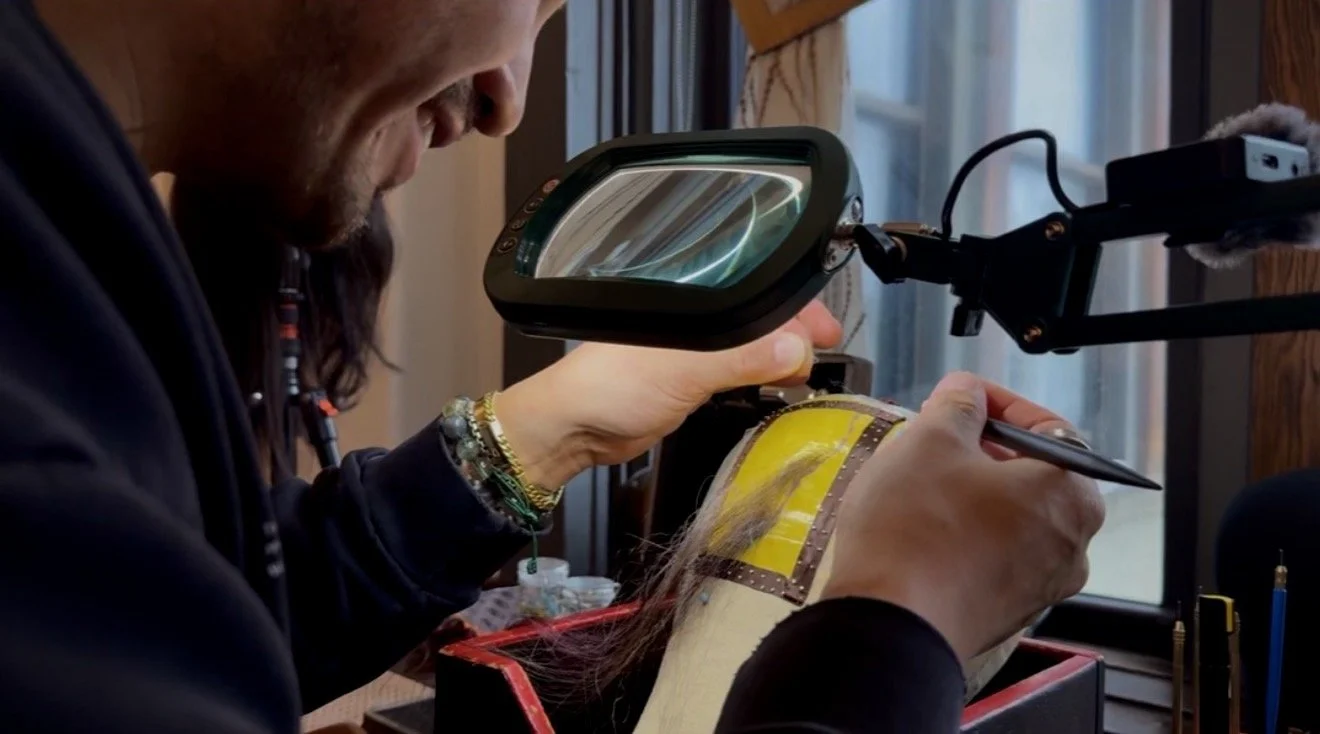
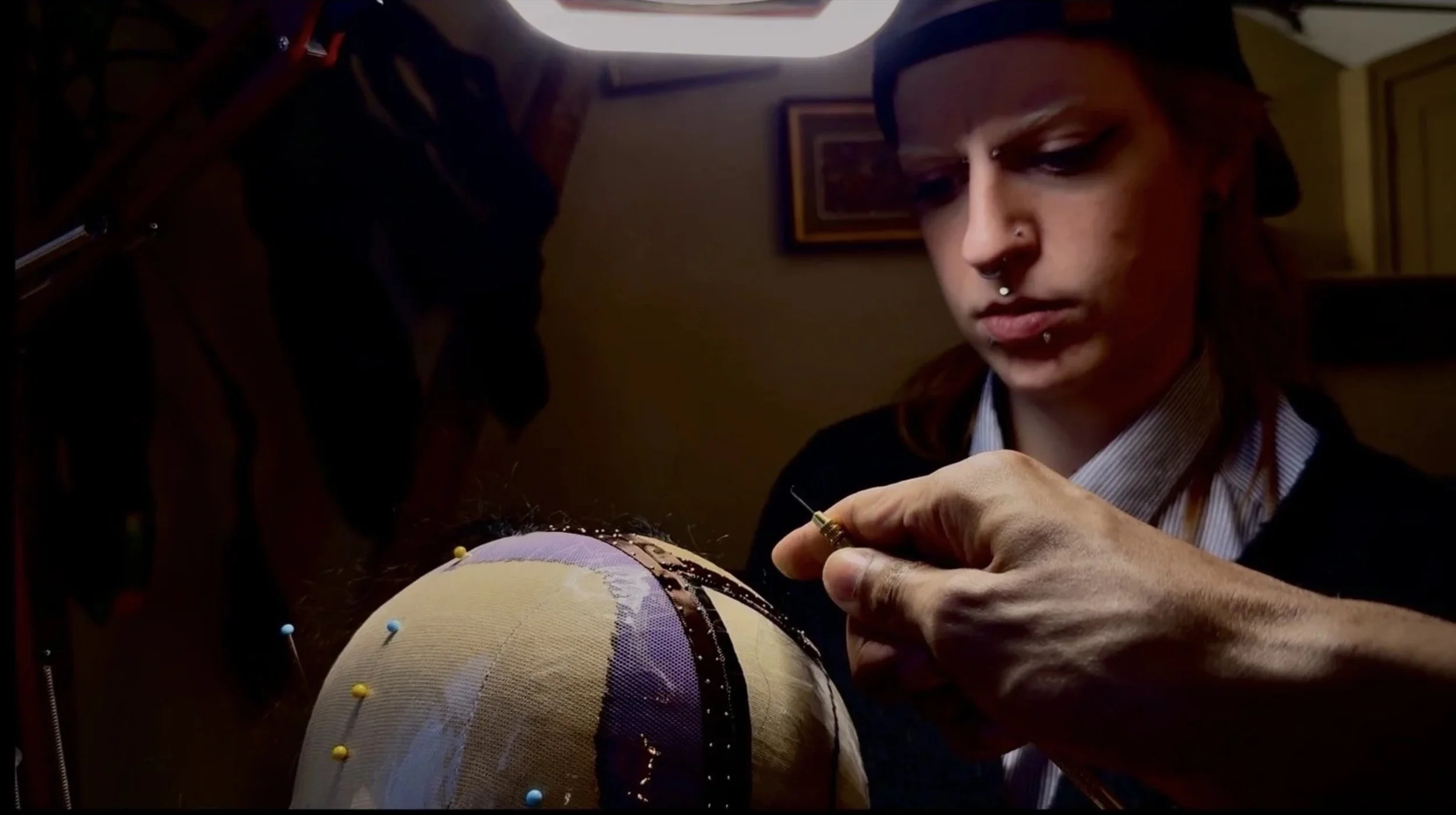
We cover basic knotting using hair substitutes, starting with how to hold the ventilating needle. Both right and left handedtechniques are demonstrated. Students run knotting drills focused on getting the needle cleanly in and out of the lace using a system called working your ladders.
We spend significant time breaking down the geometry of a single knot, including common failure points and why they happen.
A clean knot requires control. One way to think about it is like pulling into a very tight parking space. You are controlling the steering wheel while expensive cars sit on both sides. Now raise the stakes. You missed an insurance payment. Back in carefully and don’t lose any money. Stay relaxed. Stay precise. Don’t touch the surrounding cars. In this case, the cars are the surrounding lace grids.
Like driving, the process initially feels surgical. Over time, it becomes automatic. The route locks into memory. Every turn, every stop, every small visual cue becomes familiar. When you know where you are going, the work is already done.
Day 2.5
Introduction to Whipping
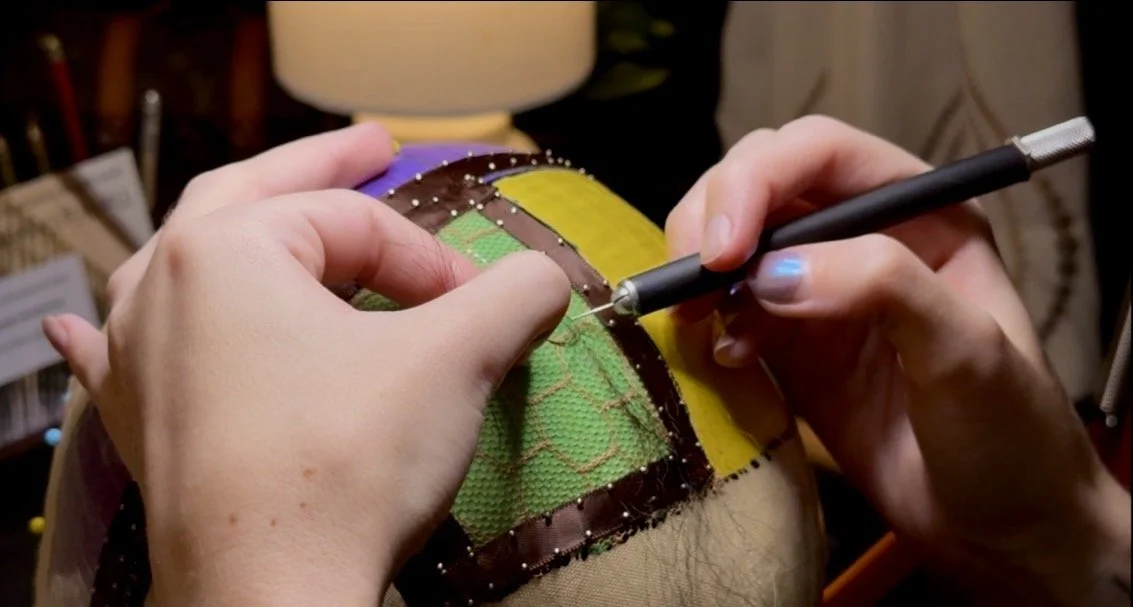
Whipping is the process of sewing using your hair ventilating needle rather than thread.
This method allows for extremely small, controlled stitches per lace bar in ways traditional needle and thread or sewing machines cannot achieve. If speed is your priority over refinement and detail, this is not the class for you.
We cover how to work with both single and multiple layers of material, including single stitch, double stitch, dual stitch, tucked stitch, darts, and draped darts.
By the end of this section, you will understand how to sew a complete foundation across multiple styles and disciplines.
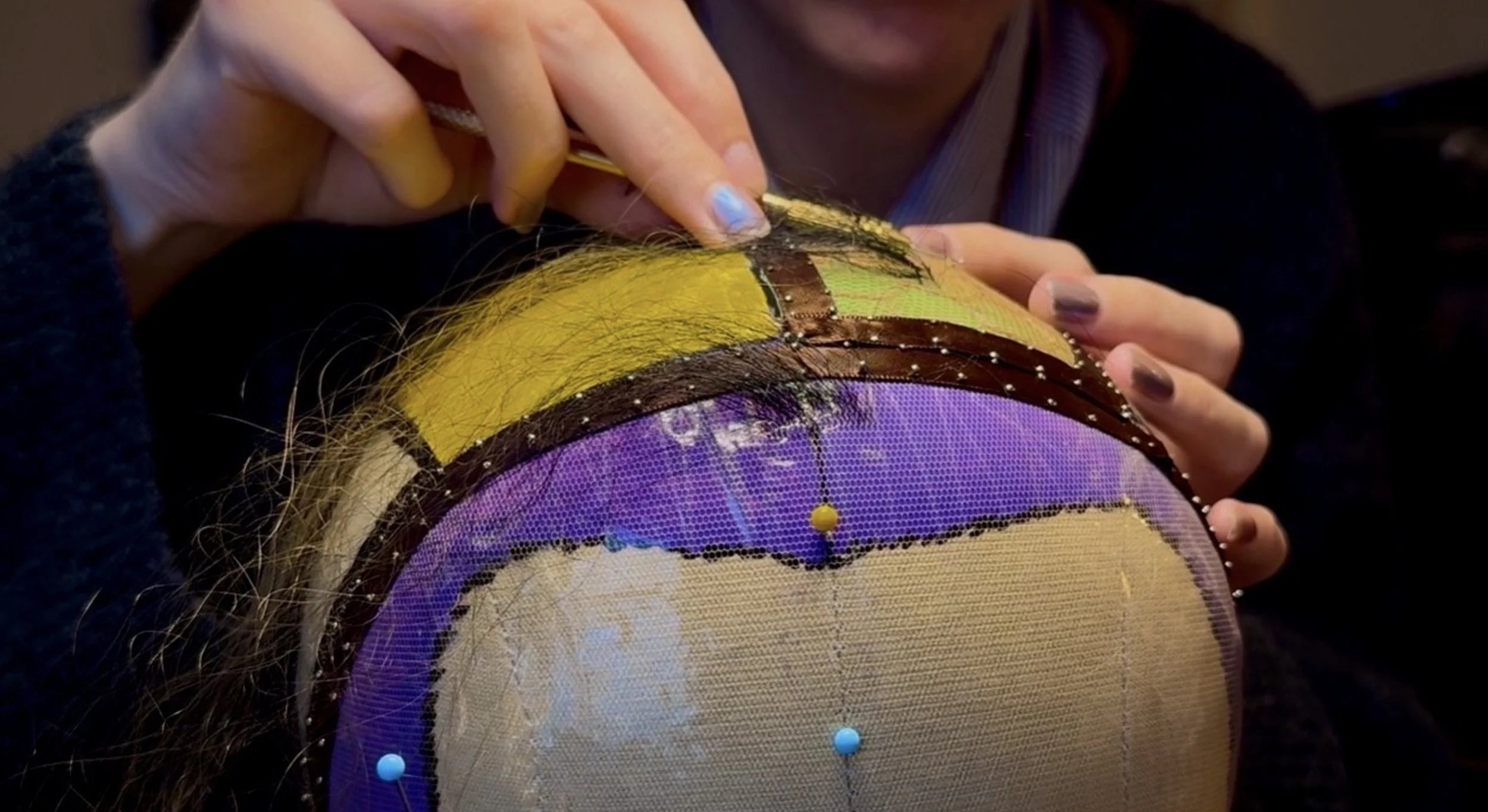
We then move into understanding lace placement.
Day 3.0 + 3.5
Nape Panel
The nape panel is the most difficult section of the foundation due to its doubled construction and advanced darting. It remains challenging even at the professional level because it contains the highest number of overlapping layers. The more layers involved, the stronger and more controlled the technique must be to avoid damaging the lace.
This is why we spend time pre-aligning every hole before beginning the process.
I will demonstrate the nape panel setup in a short demo, which students can replay on their phones or studio tablets as needed. Once pinned, we take a brief break before beginning the whipping process.
Midway through, you will likely feel both surprised by your progress and more confident in your control. That is when we break for lunch.
Day 4.0
More whipping. Bright and early, we focus on finishing the nape panel. Students who complete this section ahead of schedule are free to practice their knotting.
Day 4.5
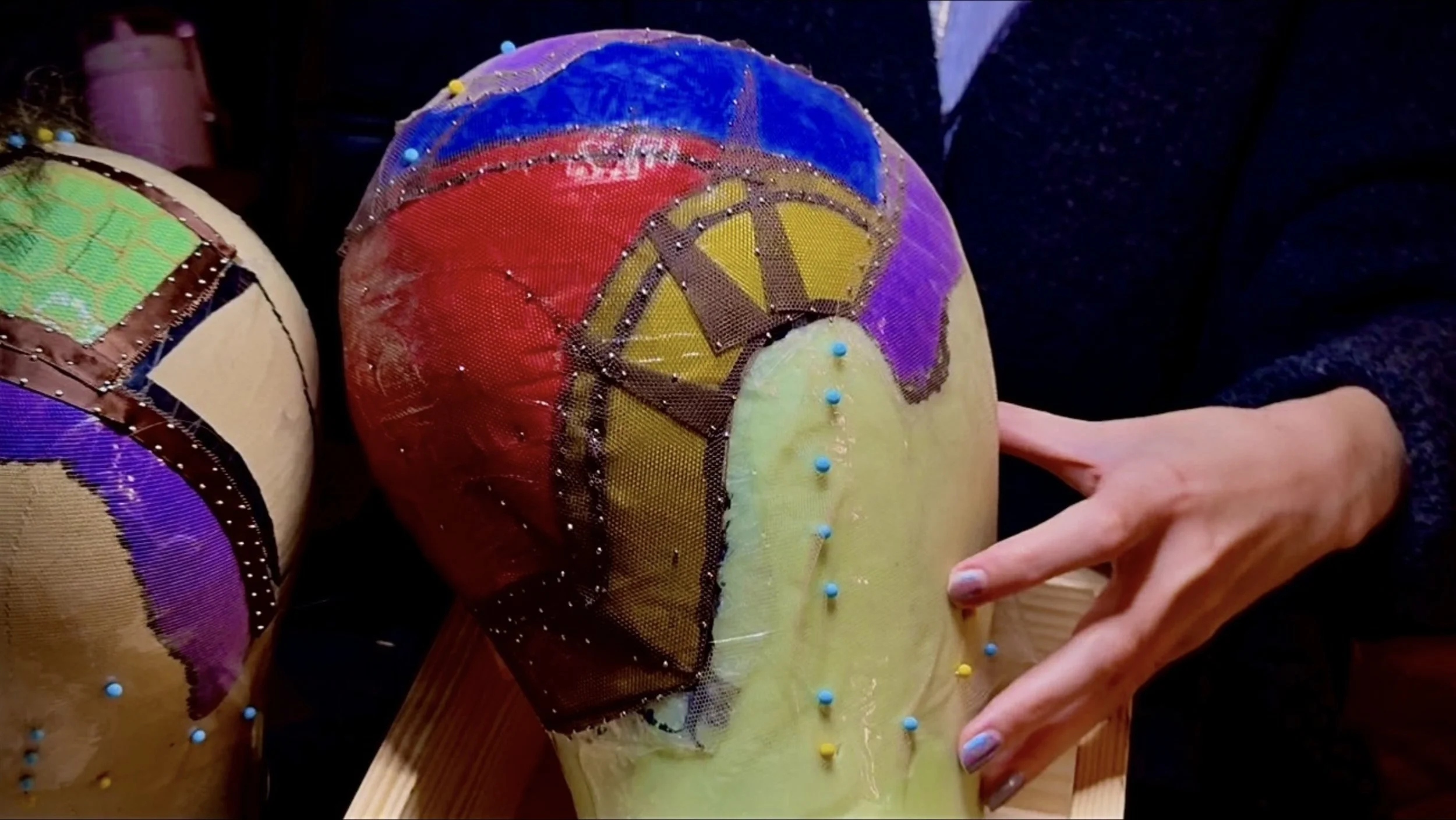
We pin and block the second panel over the nape and begin whipping the seams. The day concludes with the application of your first tuck stitch along the final border, wrapping with a fully completed section.Day 5.0
blocking your 3rd 6-dart panel
Day 5.0
More whipping…
this is where most students quietly accept that this might be their future. Sitting in a comfortable chair, doing simple, methodical techniques through repetition. No client feedback during the process. No conversation to manage. Just the work.
You didn’t think we chose this only for the craft, did you…?
“Wig blocks don’t talk back.
When they do, it’s time to stop for the day.”
Day 5.5
Still whipping…
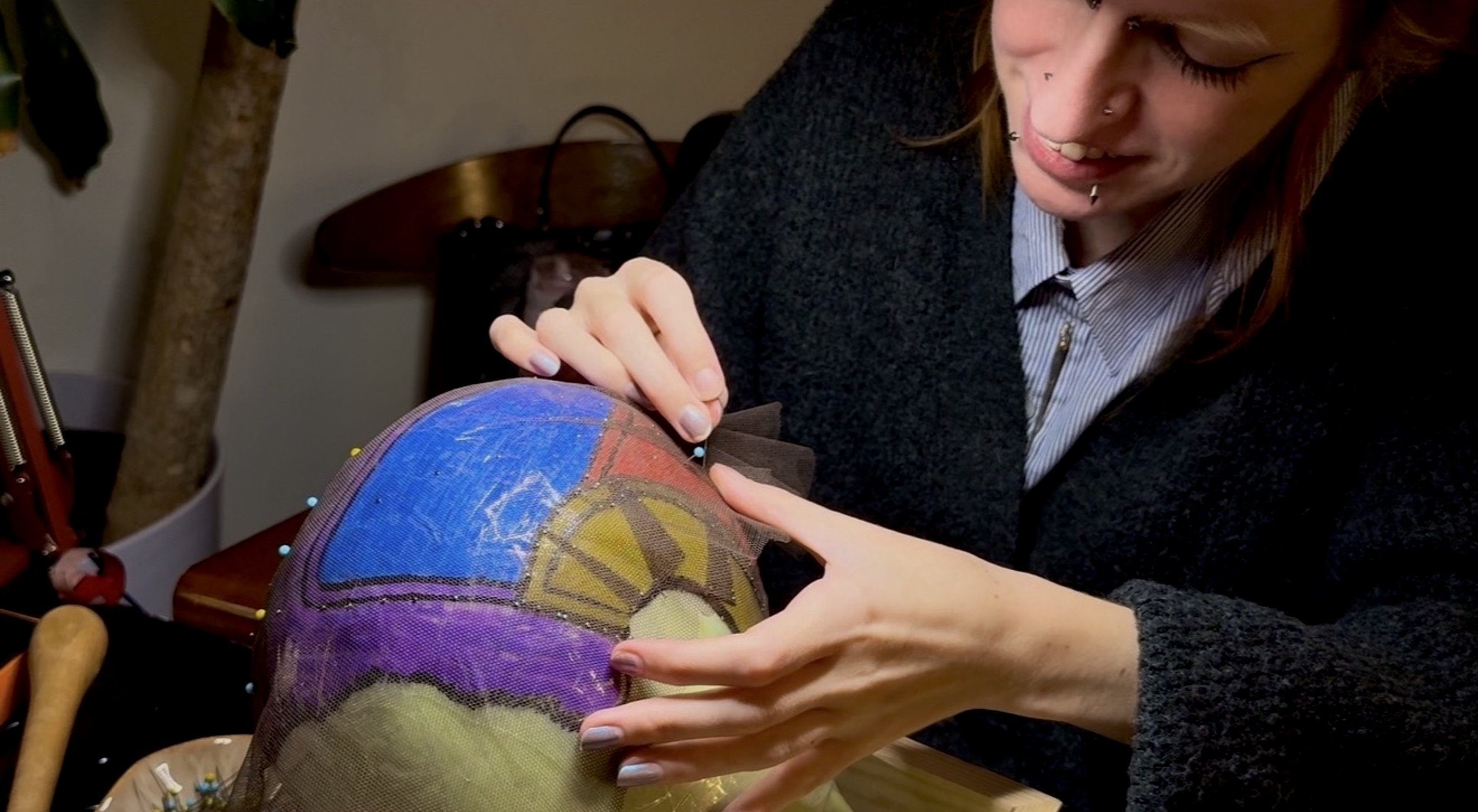
Day 6.0
Blocking your fourth T-zone panel.
This final section determines the hairline and parting area. We use a technique that integrates both zones to eliminate any visible demarcation when parting the hair from front to back.
Breaks are taken as needed, with a mid-afternoon lunch break to rest and reset the eyes.
Day 6.5
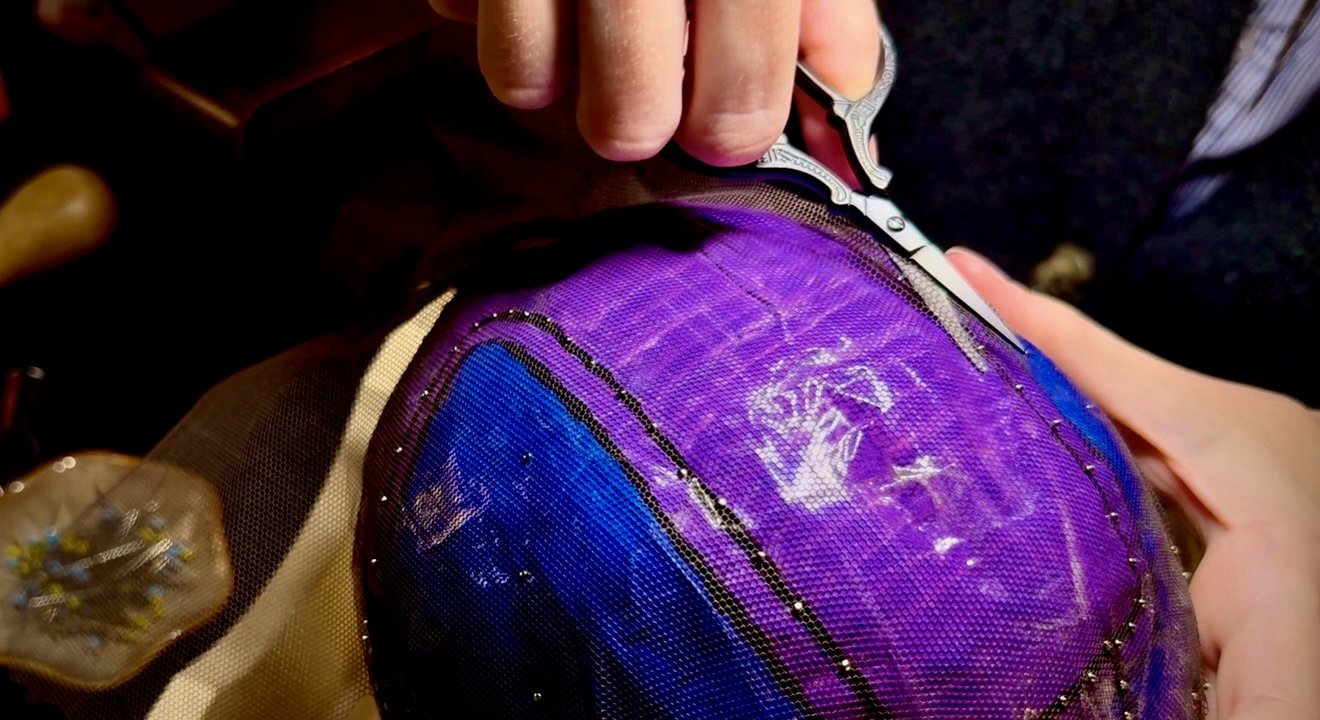
Even more whipping.
Day 7.0
Finishing any remaining whipping not completed.
Day 7.5
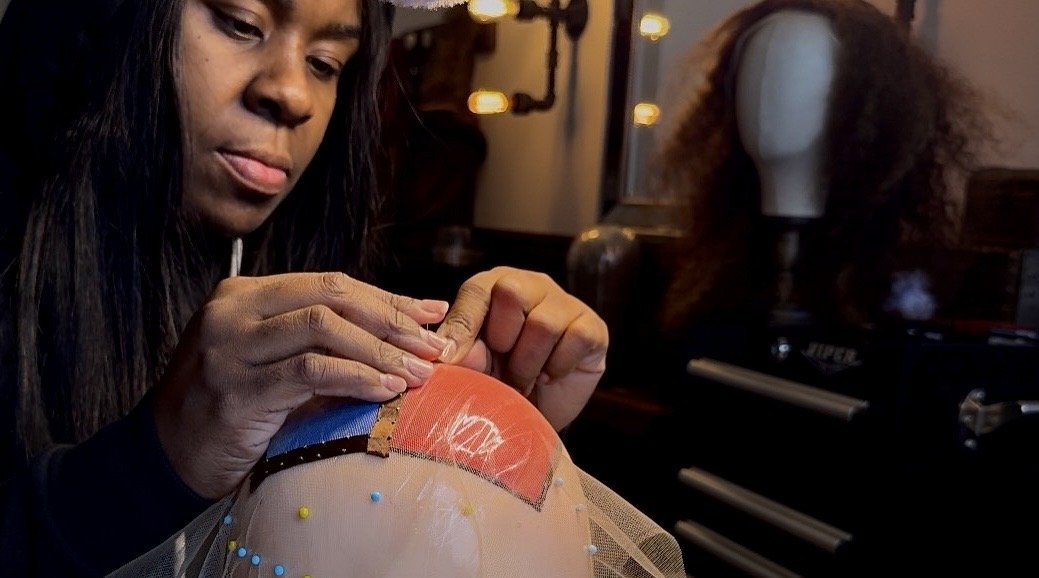
Advanced knotting with a focus on working with highly textured hair. Emphasis is placed on anatomically correct spacing, distribution, and coil control while knotting.
Textured hair provided by HIS & HER Hair.
Day 8.0
Wig care with master stylist and makeup artist Deb Davis.
We cover how to properly care for wigs on set, including washing, handling, and maintenance practices designed to prevent damage in professional environments.
Day 8.5
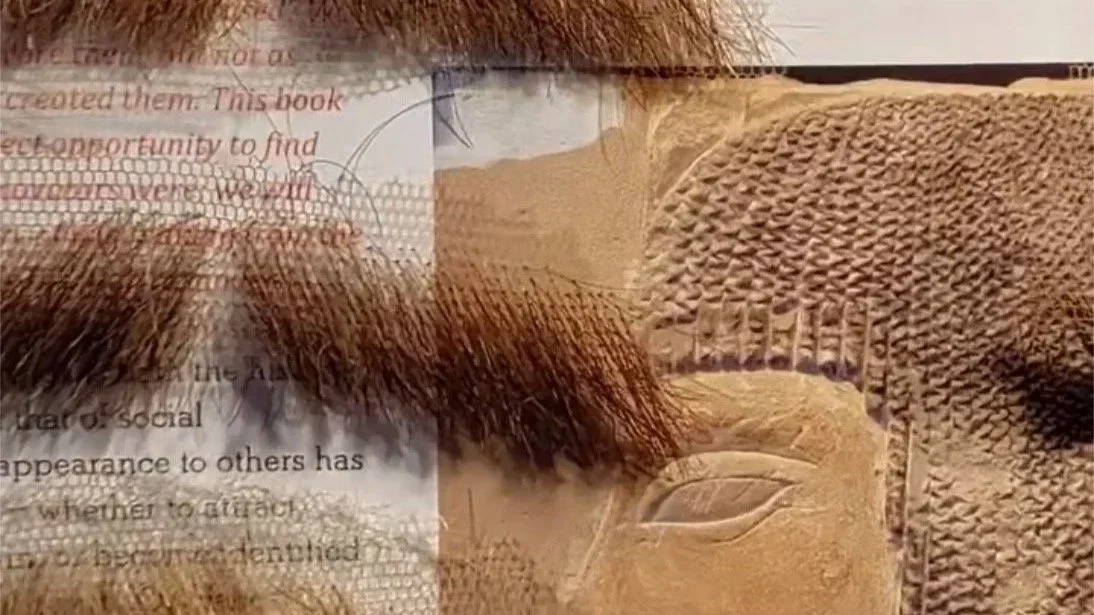
Introduction to postiche and facial hair.
Students examine bespoke facial hair pieces imported from Dubai, review knotting pattern recommendations, and learn how to create a lower face mold and work with a chin block.
Day 9.0
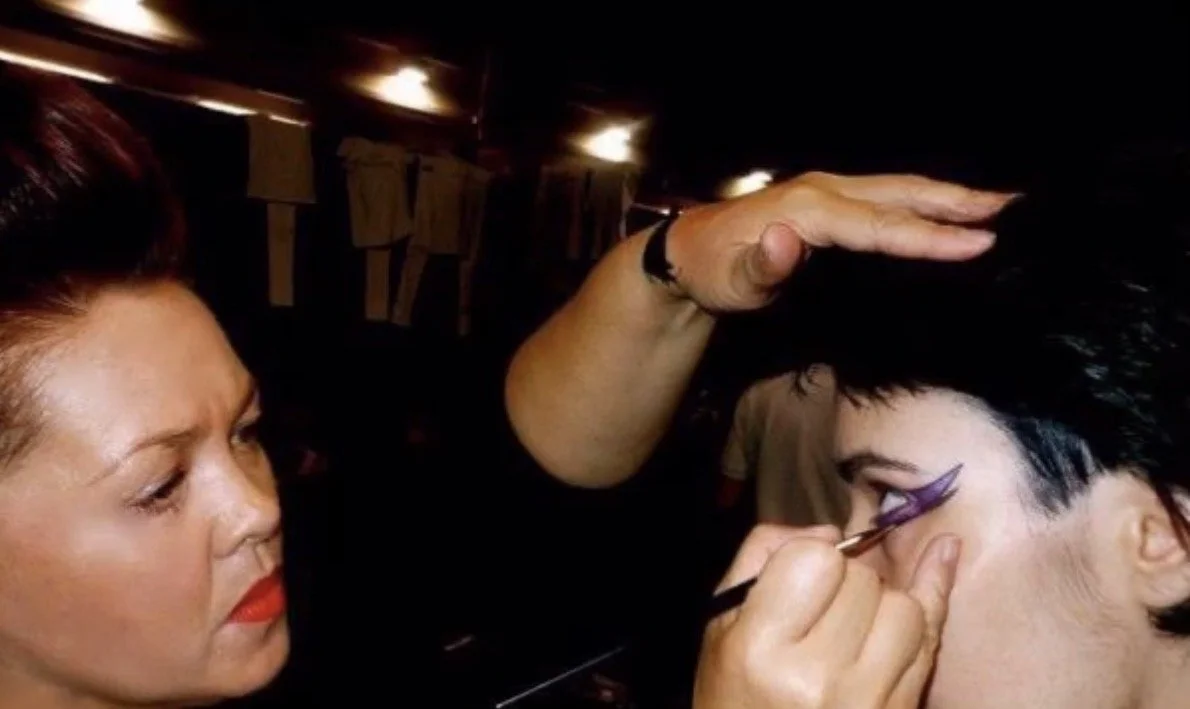
Postiche and facial hair styling with Deb Davis.
Marcel and tong techniques, workflow, and finishing.
Day 9.5
Industry Q&A with Deb Davis.
(This portion alone could warrant an additional fee. Please thank her for not requiring one before you leave.)
Day 10.0
Recap of what you’ve learned and how to apply it across other areas of the industry. Visual walkthroughs covering repairs and refronting techniques.
Day 10.5
Final practice focused on any remaining areas of difficulty. Homework is assigned, along with guidance for future planning.
Day 10.75
The least enjoyable part of the course. Packing your kit to go home, and saying goodbye for now.
If I still have a voice after spending the week sharing everything I can about a craft that has shaped my life, I will spend a short amount of time with each student individually to ensure they feel confident in their exit plan and understand their homework packet…
This course exists for one reason only: to pass forward the information that built us.
Over a guided two-week session, myself and our team share the systems, discipline, and decisions that shaped our work. Whether this becomes the foundation of a new career or simply complements an existing one, we’re grateful to be a footnote in your much larger wig-making journey.
For students staying at the student Airbnb, check-out is the following afternoon.
Remember:
“All it takes to be a wig maker is the desire to make wigs and a little effort.”
Email or direct message on Instagram @thatwigguy for questions or to register.